





Our New Address:
800 A 5th Avenue Suite # 502A
New York, NY 10065
(Entrance on 61st street)
Monday - Friday 8:30 am - 5:00 pm
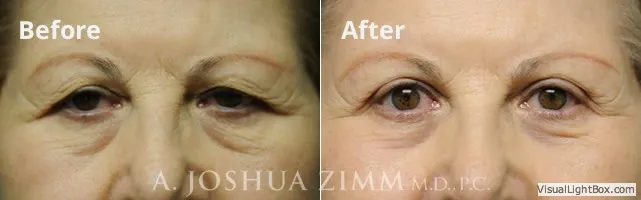
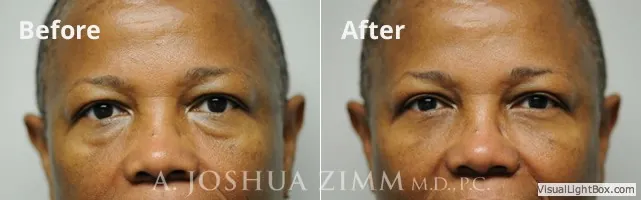
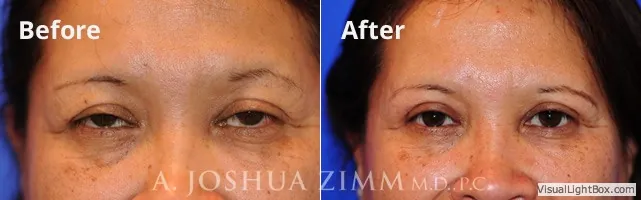
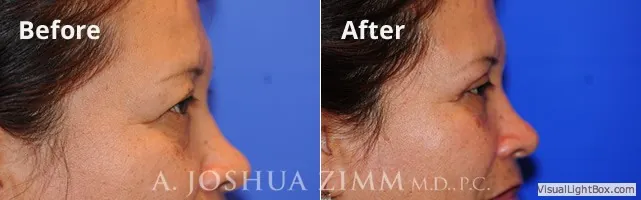
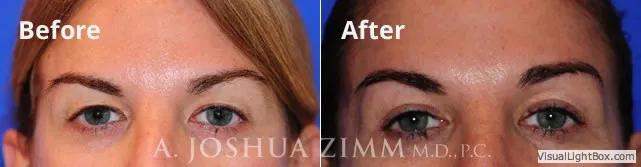

Upper blepharoplasty is a surgical procedure that removes or repositions excess upper eyelid skin and, when appropriate, addresses small pockets of eyelid fat. The goal is a rested, open appearance with natural eyelid definition. It can be a good option when makeup creases disappear under redundant skin, when photos consistently show a shadow over the lid, or when the upper lids feel heavy at the end of the day.
A careful exam matters because “hooded eyes” can come from different causes. Some patients have true excess eyelid skin, while others have brow descent that pushes tissue down over the lid. In that situation, eyelid surgery alone may not fully address the problem, and your plan may include an evaluation of an endoscopic brow lift. For others, a mild brow position change is enough, while some benefit most from an eyelid-focused approach. The right recommendation depends on anatomy, not trends.
Upper eyelid surgery is often discussed alongside lower eyelid concerns such as under-eye bags or hollowing. Those issues are treated differently, and they are not automatically addressed by upper blepharoplasty.
If your main concern is skin texture, crepey skin, or early laxity, non-surgical treatments may be a good first step or a complement to surgery. Depending on your skin type and goals, laser resurfacing can address fine lines and sun damage, while microneedling can support collagen production and improve overall tone. In the right patient, these options can improve the eyelid and surrounding skin without changing lid shape.
During consultation, we will talk through what each option can realistically accomplish, and whether a staged plan makes sense. For example, some patients prefer to begin with skin quality treatments and then consider surgery later, while others benefit from addressing the structural issue first and refining skin texture afterward.
Upper blepharoplasty is typically performed through a carefully placed incision within the natural upper eyelid crease. This placement is chosen to keep the final scar as discreet as possible when the eyes are open. Through the incision, excess skin can be removed, and in select cases small amounts of fat can be reduced or repositioned to refine fullness. The goal is not to hollow the eyelid, but to restore natural contour and definition.
Surgical details vary based on anatomy. Some patients need subtle skin adjustment and crease refinement, while others require more significant hooding correction. If brow position is contributing, the surgical plan may include staged or combined options, and those decisions are made during the consultation based on your exam.
Because eyelids are delicate, precision matters. Conservative planning helps protect natural expression and reduces the chance of looking over-corrected. Your surgeon should be able to explain what is being removed, what is being preserved, and how the eyelid will close comfortably after surgery.
Recovery after upper eyelid surgery is usually measured in days and weeks rather than months. Most patients describe recovery as manageable and notice swelling and bruising that improves steadily, with the most visible changes typically in the first week. Cold compresses, head elevation, and following instructions closely can make the early phase more comfortable.
Many people feel comfortable returning to desk work or non-strenuous activities within about a week, though timing varies. Exercise and heavier lifting are usually resumed more gradually.
If you have a busy schedule in New York City, we plan around your calendar. Some patients prefer to schedule surgery before a quieter work period or a long weekend. You will receive specific aftercare guidance, and follow-up visits are used to track healing and answer questions as your eyelids settle.
Upper eyelid surgery can be performed on its own, or coordinated with other facial plastic surgery procedures when appropriate. If your goals include lower-face laxity, your plan may include options such as a mini facelift or neck lift to create a cohesive, naturally refreshed look. When non-surgical refinement is preferred, some patients pair eyelid surgery with carefully selected injectables for overall balance.
For example, subtle volume support in the midface or temple can influence how the upper face reads, while neuromodulators may soften dynamic lines. You can explore options like BOTOX and dermal fillers as part of a broader conversation about facial harmony.
Patients often report appreciating clear expectations and attentive follow-up. Our team is focused on education, thoughtful planning, and support from consultation through recovery. If you are considering upper blepharoplasty, the best next step is a focused consultation to discuss your goals, anatomy, and options. Call or, request a consultation online, or explore a virtual consultation if you are planning from out of town. Our team will help you understand what to expect and whether surgery, non-surgical treatments, or a combination is the right fit for you.
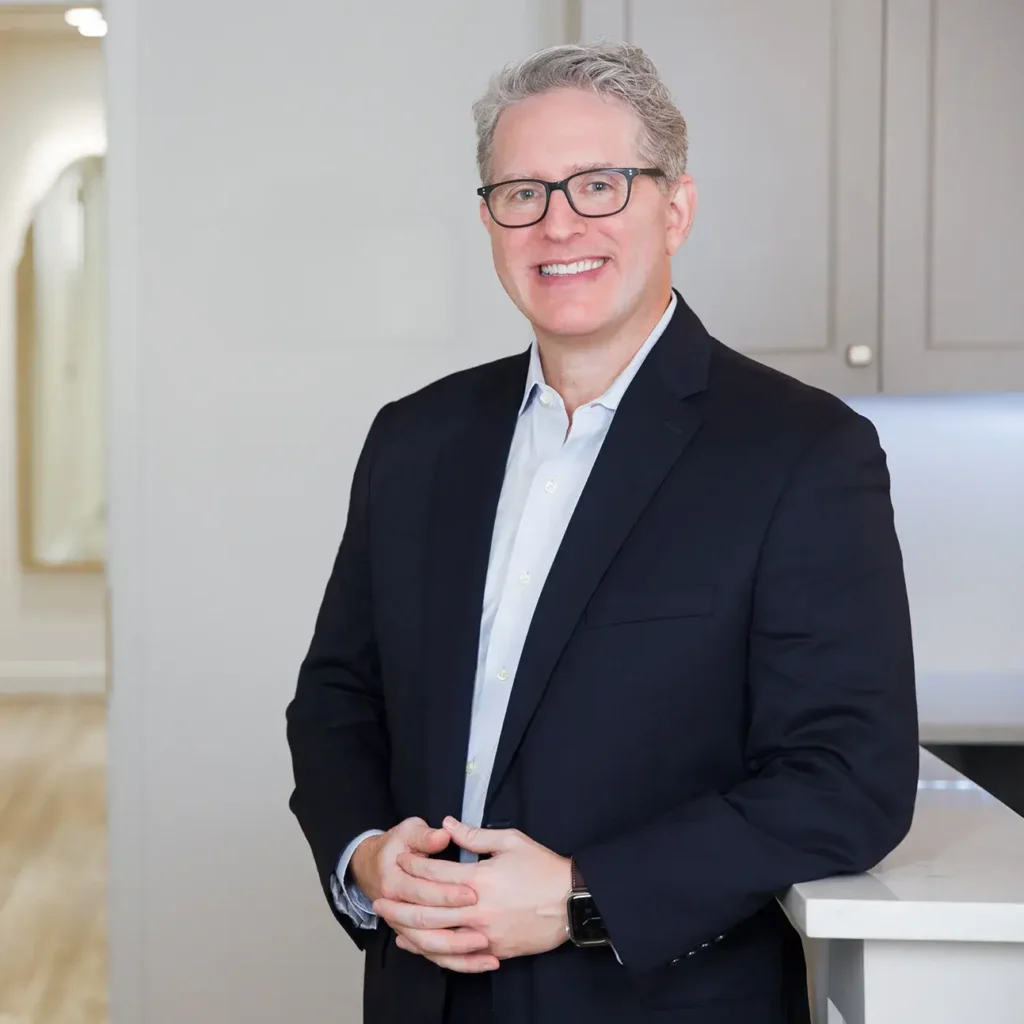
The eyelids are delicate and expressive. Achieving a natural result requires both technical precision and an artistic eye for proportion. Dr. Joshua Zimm is a double board-certified facial plastic and reconstructive surgeon in New York City who tailors each plan to the individual rather than aiming for a one-size-fits-all aesthetic.
This specialization matters because the eyelids are not an isolated feature. They sit within a complex frame that includes the brows, cheeks, and nose, and small changes can affect how the entire face is perceived. A facial specialist approach prioritizes balance, function, and long-term aesthetics.
800 A 5th Avenue Suite # 502A
New York, NY 10065
(Entrance on 61st street)
Monday - Friday 8:30 am - 5:00 pm
880 Fifth Ave, 1ABCD
New York, NY 10021
(Scheduled surgeries and by appointment only)